

Public Transportation in Barcelona: A Retiree’s Guide to Getting Around
As I approach my second year living in the vibrant, sun-soaked city of Barcelona, I’ve had time to reflect on what makes this Mediterranean metropolis such a joy to call home.
Sure, there’s the food, the architecture, and the proximity to the sea—but one thing that has truly enhanced my daily life is public transportation in Barcelona.
As a 60-year-old American retiree who traded the hectic pace of the U.S. for the laid-back yet lively lifestyle of Catalonia, I can confidently say that getting around Barcelona isn’t just easy—it’s part of the pleasure of living here.
If you’re considering making the move yourself and browsing houses for sale in Barcelona, it’s worth knowing how seamlessly you’ll be able to explore your new home city.
Let me walk you through what makes Barcelona’s public transportation not only efficient and affordable but also incredibly retiree-friendly.
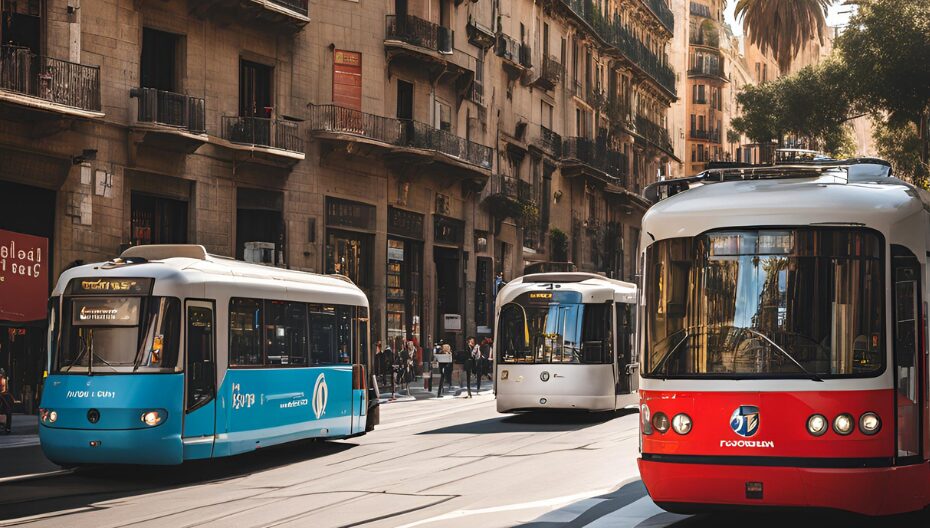
Buses in Barcelona: A Pleasant Daily Companion
When I first arrived, I wasn’t sure how I’d adapt to a foreign city’s bus system.
But I quickly realized how thoughtfully designed and reliable Barcelona’s buses are.
They run frequently and on time, they’re clean and well-maintained, and most importantly for someone like me, they’re accessible.
Whether I’m heading to the Gothic Quarter or down to the beach for a walk along the seafront, I know I can depend on the bus to get me there comfortably.
Even better, most drivers are helpful and used to assisting newcomers. It didn’t take long for me to feel confident using the buses as part of my daily routine.
Metro: The Heart of Public Transportation in Barcelona
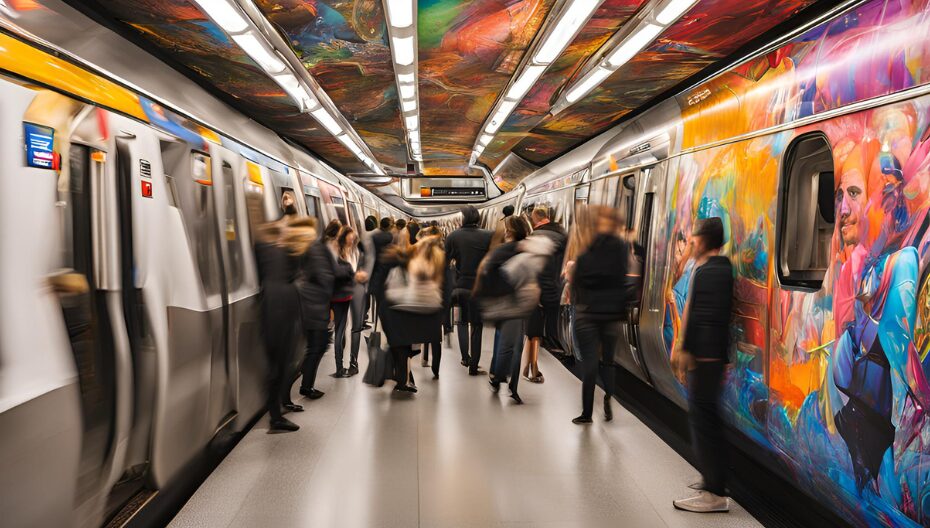
Barcelona’s metro system was another pleasant surprise.
With twelve lines spanning the city, it offers an incredibly efficient way to get around. Most metro stations are within walking distance, and the signage is clear, even if you don’t speak Spanish.
The platforms and trains are clean, well-lit, and air-conditioned—something you’ll appreciate in the summer months.
As someone who’s no longer interested in dealing with long flights of stairs, I was relieved to find that most stations are equipped with elevators and escalators.
It makes a big difference when you’re carrying groceries or simply not feeling as spry as you used to.
– L1 (Red Line): This line is often referred to as the backbone of the metro system. It runs from Hospital de Bellvitge in the southwest to Fondo in the northeast. It passes through key hubs like Plaça de Catalunya and Arc de Triomf, making it perfect for accessing major shopping areas and cultural sites.
– L3 (Green Line): If you’re a fan of Gaudí’s architecture (and who isn’t?), the Green Line will quickly become your favorite. It connects Zona Universitària in the west with Trinitat Nova in the north. Along the way, it stops at Passeig de Gràcia, close to Casa Batlló, and Diagonal, near La Pedrera.
I’ve taken countless trips on this line, visiting these iconic buildings and strolling down the elegant Passeig de Gràcia.
– L4 (Yellow Line): The Yellow Line is perfect for beach lovers. It runs from Trinitat Nova in the north to La Pau in the east, with key stops like Barceloneta and Vila Olímpica, where you can easily access Barcelona’s beautiful beaches.
– L9 (Orange Line): A relatively new addition to the metro system, the L9 line is particularly useful for getting to and from Barcelona-El Prat Airport. This line splits into two branches (L9N and L9S) and connects the airport with several residential and commercial areas. For any retiree with visiting family and friends, this line makes airport transfers a breeze.
Getting to the Airport Made Simple
Barcelona-El Prat Airport is remarkably well connected to the rest of the city.
I often take the L9S metro line when I want to avoid traffic, especially during peak hours. It’s direct, air-conditioned, and gets you straight to the terminal for just over five euros.
For a slightly more scenic option, there’s the Aerobus. It departs from Plaça de Catalunya every few minutes and takes about 35 minutes to reach the airport.
A single ticket costs €6.75, while a round trip is €11.65.
The ride is comfortable and the drivers are helpful with luggage, which I appreciate when my family comes to visit. Compared to what I dealt with back in the States—driving through traffic, paying for long-term parking, stressing about arrival times—this is a breeze.
Sants Station: Your Doorway to Spain and Beyond
One of the reasons I chose Barcelona is because it’s not just connected within the city—it’s a gateway to the rest of Europe.
Sants Station, the city’s main train hub, is incredibly efficient and easy to access by metro or bus.
From Sants, I’ve taken high-speed AVE trains to Madrid in just over two hours and enjoyed day trips to charming towns like Sitges and Tarragona.
I’ve even boarded a train to Paris from here—no airport lines, no baggage fees, just a scenic ride through the countryside.
For a retiree who still wants to explore, Sants is a gem.
Bicing: Barcelona’s Bike Sharing System
I’ll be honest—I’m no Tour de France cyclist, but Bicing has made biking accessible and fun again. With hundreds of stations around the city, it’s easy to grab a bike and ride anywhere—from the beach to your favorite café.
Why I recommend Bicing:
– Integrated with bike lanes throughout the city, making it safe and easy.
– Affordable, with an annual pass costing just €55 for unlimited 30-minute rides.
– Great exercise and a wonderful way to enjoy the city’s mild climate.
Even if you haven’t been on a bike in years, Bicing makes it simple. The app is user-friendly, and Barcelona is one of the most bike-friendly cities I’ve ever lived in.
The Joy of Walking in Barcelona
One of the simple pleasures of living here is walking. Wide sidewalks, tree-lined streets, and the Mediterranean breeze make every stroll enjoyable.
Barcelona is a city designed for pedestrians:
– Car-free streets and plazas encourage exploration at your own pace.
– Flat, walkable terrain makes it easy for older adults to navigate.
– Endless beauty, from Gaudí buildings to tucked-away tapas bars.
With over 300 sunny days a year, I often skip transit altogether just to walk—and I never regret it.

A Connected and Accessible City
Public transportation, bike lanes, and pedestrian paths are all seamlessly integrated, making it easy to move from one mode of transport to another.
Whether I’m taking the metro to a new neighborhood, hopping on a bus to the beach, or cycling through the city center, the transition is always smooth and effortless.
The city’s commitment to accessibility is also something I deeply appreciate. Elevators, escalators, and ramps are common in metro stations and public buildings, ensuring that everyone, regardless of age or physical ability, can enjoy the city.
Even the buses are designed with accessibility in mind, with low floors and dedicated spaces for wheelchairs and strollers.
Metro Cards and Pricing: Affordable and Flexible Options
Barcelona’s transportation system is not only well-run but also very budget-friendly.
Here are the options I use most:
– Single Ticket (€2.65): Great for occasional trips.
– T-casual (€12.15): 10 rides across all modes (non-transferable).
– T-usual (€22.00): Unlimited rides for 30 days—ideal for retirees living here full-time.
– T-grup (€87.35): 70 rides shareable among friends and family.
You can buy these at any metro station, and the machines are available in multiple languages (including English).
For more Metro Card options click here.
What’s Next?
Barcelona has created a seamless ecosystem of transportation that lets you move from bus to metro to bike without hassle.
For retirees like me, public transportation in Barcelona isn’t just a convenience—it’s an enhancement to daily life.
The accessibility, reliability, and affordability of getting around here make Barcelona a uniquely livable city—especially if you’re in your golden years and want to focus more on enjoying life and less on logistics.
If you’re inspired by how easy it is to live—and move—around Barcelona, you might be wondering how to get started.
SmartMove Barcelona offers personalized relocation services for expats and retirees.
You can start with a FREE buyer’s agent consultation—no strings attached.
– Discover the exact documentation you need to purchase property in Barcelona
– Uncover hidden contracts and unexpected costs that many buyers overlook
– Learn the secrets real estate agencies don’t want you to know, so you can avoid common pitfalls
Schedule Today!
